
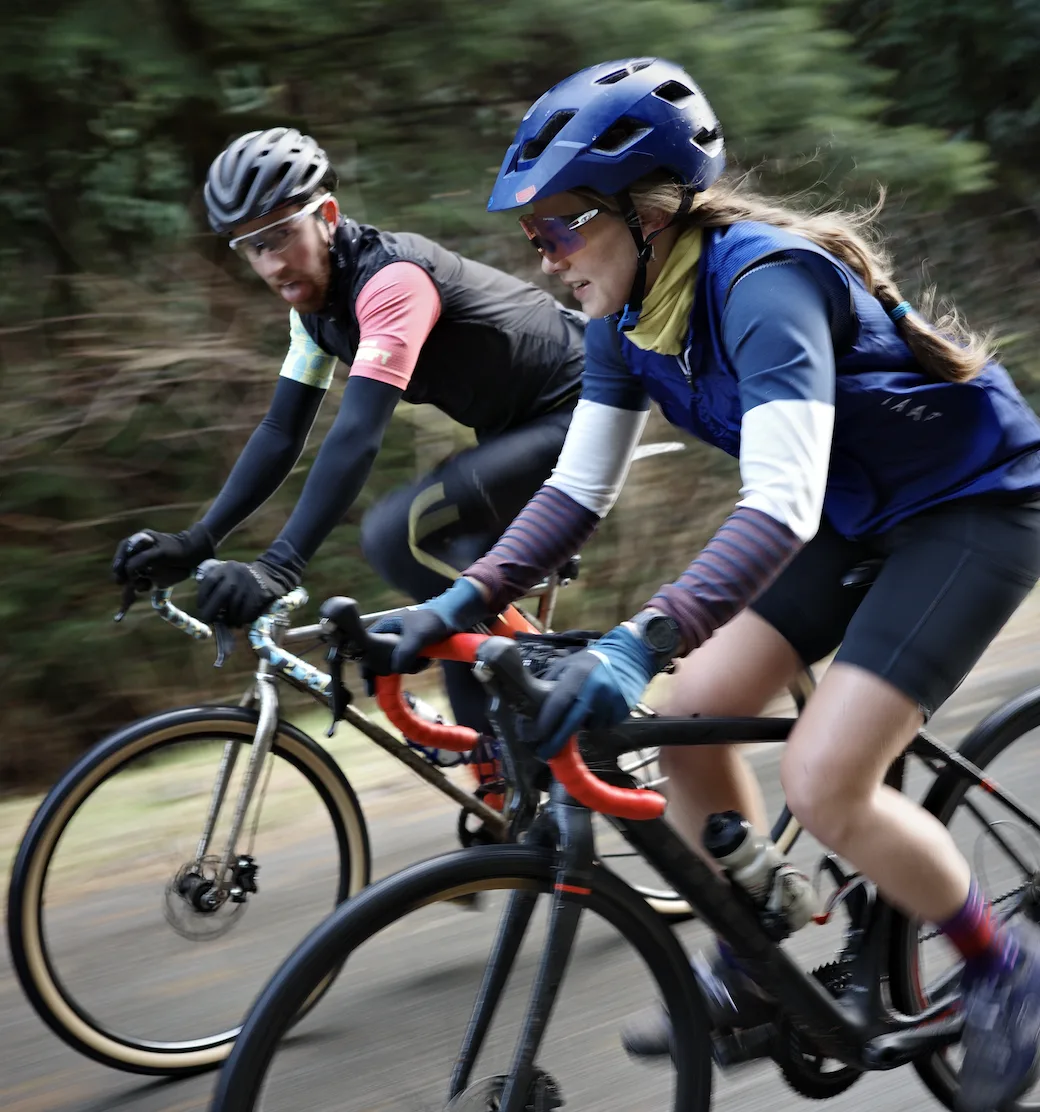
BC Superweek has wrapped for another year — Tour de Delta in early July, the Global Relay Gastown Grand Prix on the 8th — and if watching the pros race the Gastown criterium pushed you into a bigger riding season, your spine has the receipts. The short answer: a season of increased saddle time doesn't usually announce itself as back pain during the season. It shows up afterwards, as stiffness that doesn't resolve on its own.
I'm Dr. Moses Lee, a chiropractor in Downtown Vancouver and a competitive cyclist. Late summer is the best time of year to reset what a big riding season has built up, and here's why.
The Post-Superweek Comedown
There's a familiar rhythm to a Vancouver cycling season. Spring arrives, the Seawall gets busy, Superweek lands in July and everyone rides more than they planned to. Then August comes, the goal events are behind you, and the riding gets less structured.
That transition is exactly when accumulated load surfaces. While you're riding hard four or five times a week, your body stays warm, mobile, and adapted to the demand. Ease off, and the restrictions that were being masked by constant activity become obvious. Riders tell me their back "suddenly" started hurting in August — when in reality it had been building since May.
Where Vancouver Cyclists Actually Break Down
Three areas account for the overwhelming majority of what I see in cyclists here.
The lower back. Sustained lumbar flexion over months compresses discs and shortens hip flexors. The psoas attaches directly to your lumbar vertebrae, so a shortened hip flexor is a constant tug on your lower back — which is why so much cycling back pain is really a hip problem wearing a disguise. Where a collapsing arch is tilting the pelvis under load, custom orthotics address it at the foundation.
The neck and upper back. Holding your head up while your torso is pitched forward is a sustained isometric contraction of the deep neck extensors and upper traps. Riders who spend long hours on the Sea-to-Sky corridor or grinding out Seawall loops in an aggressive position feel this first.
The thoracic spine. The mid-back stiffens into the shape you hold it in. A thoracic spine that can't rotate or extend properly forces the lumbar spine and neck to make up the difference, which is how a stiff mid-back becomes low back pain.
These compound. A stiff thoracic spine loads the neck. Short hip flexors load the lumbar spine. Treating any one in isolation while ignoring the others is why riders bounce between practitioners without much changing.
What makes this harder to spot in recreational riders is that none of it hurts while you're riding. Cycling is non-impact and the position is stable, so the tissue adapts quietly. The signal usually arrives somewhere else entirely — a lower back that objects to a morning at a desk, a neck that aches on a drive out to Squamish, hips that feel locked after an hour sitting down. Riders rarely connect those to the bike, because the bike felt fine.
Using Late Summer to Reset
The window between the end of the racing season and the start of winter base is the most valuable treatment period of the year, for a straightforward reason: you're not protecting form or tapering for anything. You can do real work without worrying about how it affects Saturday's ride.
At Shift Clinic the approach is gentle by design — no snap, crack, or pop. Spinal decompression applies controlled traction to unload a lumbar spine that's spent a season in flexion. Motorized roller massage works the hip flexors, glutes, and thoracic paraspinals that hold a rider's position in place.
For most cyclists, the hip flexor work is what shifts things. Release the psoas and the lower back stops compensating for it — which is usually when riders notice their position on the bike feels sustainable again rather than something they're fighting.
Carrying It Into Next Season
Whether you're riding through the shoulder season or heading indoors, a few things carry over:
- Keep some hip flexor and thoracic mobility work in your week — ten minutes after a ride is worth more than an occasional long session
- Change hand position and stand up regularly on longer rides; every position change redistributes load
- Treat spinal maintenance as part of training, not as something you do once it hurts
- If something has been nagging since July, deal with it now rather than carrying it into next spring
Superweek comes back around every summer. The riders who show up fresh for it are the ones who didn't spend all winter accumulating restrictions they never addressed.
Coming Off a Big Riding Season?
Book a session with Dr. Lee at Shift Clinic in Downtown Vancouver — no referral needed. Unit 504 – 1160 Burrard St.
Book With Dr. Lee →